Is the air in your downtown Toronto condo feeling stale, musty, or just not as comfortable as it should be? If your suite uses an older fan‑coil unit, you are not alone. Many towers built from the 1990s to the 2010s rely on these compact workhorses, and a few simple habits can make a big difference in how your place feels. In this guide, you will learn easy maintenance steps, practical schedules, ways to prevent condensation, and how to plan smart upgrades within your building’s rules. Let’s dive in.
How fan‑coils work in Toronto condos
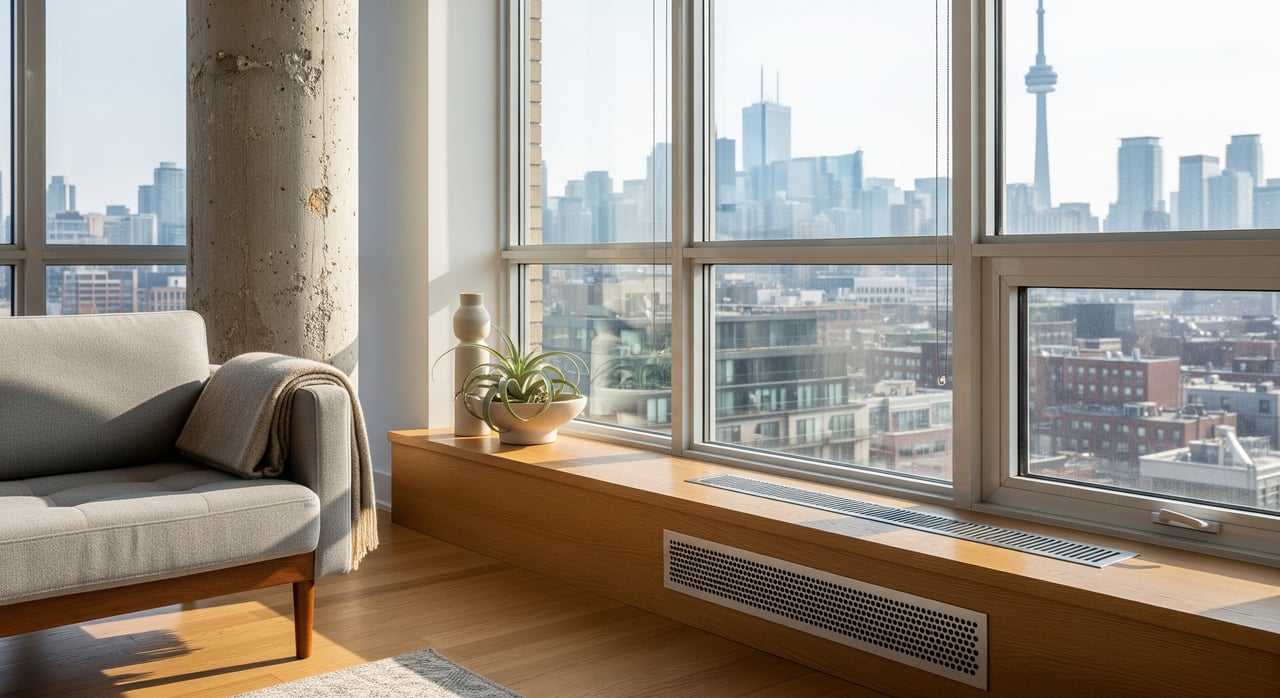
Fan‑coil units in downtown condos are usually hydronic. They use chilled water for cooling and hot water for heating from the building’s central plant. Inside the cabinet you have a blower, one or two coils, a condensate pan and drain, and a filter. They are often tucked under windows, behind a return grille, or in a closet.
Who maintains what varies by building. Many condo corporations manage the central plant and common piping, while owners handle in‑suite fan‑coil upkeep. Always check your condominium declaration and building rules before you modify equipment, add devices, or replace components that connect to common services.
Your indoor air goals are straightforward. You want to remove particulates like dust and pollen, control humidity to avoid condensation and mould, keep coils and pans clean to prevent odours, maintain steady airflow for comfort, and reduce the risk of water leaks.
Filters that actually improve air
A clean, properly selected filter is the fastest path to better air in a suite with an older fan‑coil.
Choose the right filter
Filters are rated by MERV, which describes how well they capture particles. MERV 6 to 8 captures larger dust. MERV 9 to 12 improves fine particle capture, including some smoke and pollen. MERV 13 captures many fine particles down to about 0.3–1 micron and is widely recommended where equipment can handle the added resistance.
Not all fan‑coils can support higher‑MERV filters. Many accept only thin 1 to 2 inch media. A high‑efficiency filter can reduce airflow if your blower cannot overcome the added pressure. That can lead to colder coils, less dehumidification, and more energy use. If your fan‑coil and blower can handle it, aim for MERV 11 to 13. If not, consider a thicker pleated filter with an adapter frame or a staged approach with a low‑pressure prefilter.
Set a filter change schedule
Downtown living tends to load filters faster due to traffic, construction dust, and seasonal pollen.
- Check filters visually every month during high‑dust seasons, renovations, or wildfire smoke events.
- Replace typical pleated filters rated MERV 8 to 11 every 2 to 3 months.
- Replace higher‑efficiency or thicker media every 3 to 6 months, depending on visible dust and airflow.
- For rental units, change filters at every turnover and set quarterly checks.
If you notice a drop in airflow right after a filter change, the filter may be too restrictive for your blower. That is a sign to consult a technician or step back one MERV level while you consider a motor upgrade.
Manage tradeoffs and airflow
Higher filtration reduces fine particles, which improves indoor air quality, but it also adds resistance. Electronically commutated motors can maintain airflow across a wider range of filter loads. If you plan to run MERV 13 routinely, confirm compatibility with a technician who knows your fan‑coil model and the building’s operating conditions.
Keep coils and drains clean
Dust and biofilm on coils and in pans hurt both comfort and health. This is one area where routine attention can prevent costly damage.
Why coil cleaning matters
Dirty coils reduce heat transfer and dehumidification. The unit will run longer, use more energy, and may still leave the space clammy. Biofilm in the pan and drain can cause musty odours and block the drain, which can overflow and damage finishes. In a condo, that can mean repairs for your suite and possibly the neighbour below.
Safe cleaning steps
You can complete light maintenance and inspections yourself, and schedule pro service annually.
- Power off the unit before opening any panel.
- Vacuum the return grille and accessible coil face gently with a soft brush.
- Avoid high‑pressure washing. Fins bend easily and excess water can reach electrical parts or insulation.
- Plan for professional cleaning annually or biannually if you notice recurring odours or visible buildup. Pros use coil‑safe cleaners, soft brushes, and controlled air to remove debris.
If corrosion is severe or fins are collapsing, you may need a deep chemical clean or coil replacement. Always follow the manufacturer’s instructions for your specific unit.
Condensate drainage best practices
Summer cooling creates condensate. Managing that water is essential to prevent leaks and mould.
- Keep the drain line clear and sloped properly. Gravity drains are preferred where possible.
- Ensure a P‑trap is installed where required to prevent unwanted air or gas flow.
- If your unit has a condensate pump, test the pump and float switch quarterly during cooling season.
- Install an overflow safety device or float switch if one is not present, especially for units located above finished ceilings.
- Clean pans and drains with an approved enzymatic cleaner or biocide quarterly to semi‑annually. Avoid bleach unless the manufacturer approves it.
Consider UV‑C for recurring biofilm
UV‑C lights can reduce microbial growth on coil surfaces and in the drain pan. They are an add‑on, not a substitute for cleaning and good drainage. Lamps need periodic replacement and must be installed to prevent occupant exposure. Consult a licensed contractor for sizing and placement.
Control humidity and stop condensation
In a lakeside climate like Toronto’s, humidity swings are real. Getting this right will improve comfort and protect your finishes.
Target humidity in Toronto
Aim for about 30 to 50 percent relative humidity in winter to limit condensation on windows and cold exterior surfaces. Keep summer humidity below about 60 percent to reduce mould growth and musty odours. If outdoor humidity is high and your building’s system does not manage it well, consider a supplemental dehumidifier.
Everyday habits that help
Source control goes a long way. Vent bathroom fans during and after showers. Use your kitchen exhaust when cooking. Cover aquariums and be mindful of the number of plants in small spaces. Keep interior doors open while the fan‑coil runs so air circulates.
Sustained low airflow can drive condensation problems. Dirty filters and failing blowers cause coils to run colder and wetter, which can saturate the drain pan. Keeping airflow up with clean filters and a healthy motor helps.
Stop window sweating and cold spots
Some condensation has nothing to do with the fan‑coil. Cold window frames, thermal bridges, and uninsulated piping can sweat in humid air. Insulate cold pipes and penetration points where allowed. Keep blinds or curtains slightly open so air can wash over glass, which helps reduce condensation in winter.
Smart upgrades for older fan‑coils
Not every fix needs a renovation. Start simple, then evaluate medium and major upgrades with building approvals.
Low‑cost improvements
- Use the highest MERV filter your blower can handle without a big airflow drop.
- Keep a preventative maintenance schedule for filters, coils, pans, and drains.
- Add an overflow float switch or drain sensor if you do not have one.
- Seal or upgrade the filter box or access panel to reduce bypass and make changes easier.
These steps are modest in cost and often deliver fast improvements in air quality and comfort.
Medium‑impact upgrades
- Replace the blower motor with an ECM to maintain airflow with higher‑MERV filters and improve efficiency.
- Add a UV‑C lamp at the coil and pan if you battle recurring biofilm.
- Consider a small in‑suite HRV or ERV for controlled ventilation if space and building rules allow.
These upgrades can improve IAQ, comfort, and energy use. They usually need building coordination and sometimes board sign‑off.
Major retrofits and building constraints
- Replace the entire fan‑coil with a modern unit that integrates better condensate safety and access.
- Supplement with a stand‑alone heat pump or mini‑split only where board rules and exterior placement allow.
- Advocate through your board for building‑level improvements that affect humidity and ventilation.
These options deliver the largest gains. They also come with higher costs, more approvals, and possible disruption.
Decision criteria for owners and investors
- How often are you dealing with odours, condensate issues, or service calls? Frequent problems justify upgrades.
- What do your condo declaration and rules allow? Start there before planning any retrofit.
- Is the building’s central plant controlling humidity well? If not, a suite upgrade may only partially help.
- What is your budget and payback target? ECM motors and clean coils can reduce energy and maintenance costs over time.
Simple maintenance checklists
Stay ahead of issues with a predictable schedule that fits real downtown life.
Owner and tenant checklist
- Monthly: visually check the filter, vacuum the return grille, and sniff for musty odours near the unit.
- Quarterly: inspect the condensate drain, test the pump and float switch if present, and gently vacuum the accessible coil face.
- Annually: schedule professional coil and pan cleaning, blower inspection, and a check of piping connections for leaks or corrosion.
- After events: if you had wildfire smoke, renovation dust, or a flood, change the filter and book a cleaning if odour or contamination persists.
Investor checklist
- At tenant turnover: replace filters, inspect coils and pans, and document condition with photos.
- Recurring schedule: keep a record of filter changes and annual service, and provide simple how‑to notes for tenants.
- Problem‑prone suites: consider ECM motor upgrades and overflow sensors to reduce emergency calls.
- Vendor support: engage an HVAC contractor who knows condo systems and building access protocols.
When to call a professional
Call a licensed HVAC technician if you see visible mould near the coil, smell persistent musty odours, or deal with recurrent overflow. Get help if airflow drops sharply after a filter change, the unit short cycles, or you cannot maintain setpoint. Any retrofit that touches building water lines, refrigerant, or exterior work should have board approval and, where required, permits.
Make a plan for better air
Small, consistent habits can restore comfort in an older fan‑coil suite. Start with the filter, keep coils and drains clean, aim for steady humidity, and step into upgrades that your blower and building can support. The result is cleaner air, fewer headaches, and better long‑term protection for your condo investment.
Thinking about buying or selling a downtown Toronto condo and want to understand how building systems affect value and comfort? Reach out to OwnIt.ca for local guidance, a clear plan, and concierge‑level service. Get your free home valuation.
FAQs
What should Toronto condo owners know about fan‑coil filters?
- Choose the highest MERV rating your blower can support without a big airflow drop, check monthly, and replace every 2 to 3 months for typical pleated filters.
How often should I clean coils and drains in older suites?
- Plan annual professional coil and pan cleaning, with quarterly drain checks and pump testing during cooling season.
What humidity should I maintain in a downtown condo?
- Aim for 30 to 50 percent RH in winter and below 60 percent in summer to limit condensation and mould.
Can I use a HEPA filter inside my fan‑coil?
- Usually not; HEPA is too restrictive for most fan‑coils, so use higher‑MERV pleated filters or a separate portable HEPA air cleaner.
Will a higher‑MERV filter hurt cooling performance?
- It can if your blower cannot overcome added resistance, so confirm compatibility or consider an ECM motor to maintain airflow.
Are UV‑C lights worth adding to my fan‑coil?
- They can help reduce microbial growth on coils and pans but work best as an add‑on to regular cleaning and good drainage.
Who is responsible for fan‑coil maintenance in my condo?
- Responsibilities vary by building; review your condominium declaration and rules to confirm what the corporation covers versus the unit owner.
What should I do after smoke, renovation dust, or a leak?
- Replace the filter immediately, inspect for odours or visible contamination, and schedule professional cleaning if problems persist.
Can I add a mini‑split to improve cooling and dehumidification?
- Sometimes, but exterior equipment placement and penetrations often require board approval and engineering sign‑off.