Could you live in downtown Toronto without a car? If you work in the core or want a walkable lifestyle, you might be closer than you think. In this guide, you’ll see how daily mobility actually works, what to expect in winter and late nights, and what condo features make a car-free routine smooth. Let’s dive in.
Car-free zones in downtown
You’ll feel most car-free in the dense, transit-rich corridors where daily needs and workplaces cluster. In Toronto, that includes the Financial District and Bay Street, Entertainment District and King West, Queen West, Church–Yonge Corridor, St. Lawrence and Old Town, Harbourfront, and the Annex along the Bloor corridor.
These areas hug key transit arteries like the Line 1 Yonge–University and Line 2 Bloor–Danforth subway stations, plus frequent streetcar routes on King, Queen, Spadina and Harbourfront, College, and Dundas. Access to Union Station ties everything together for regional GO Transit and the UP Express.
Who thrives with this lifestyle:
- Single professionals or couples who work downtown or have flexible schedules.
- People who prioritize walkability and transit over parking.
- Buyers who rarely need to transport large or heavy items.
Who may find it more challenging:
- Families with multiple children and complex logistics.
- Tradespeople who need regular vehicle access.
- Anyone whose job requires frequent travel to suburban areas without strong GO service.
Transit, walking, and cycling
TTC subway and streetcars
The TTC subway and streetcar network forms the backbone of car-free living. Subways move you quickly along the main north–south and east–west lines, while streetcars provide frequent service for shorter hops and local corridors. Inside the core, you can expect high frequency and short waits most of the day.
Night service reality
After subway hours, the Blue Night network of overnight buses replaces day service on key routes. Coverage and frequency are lower at night, so plan extra time or consider ride-hail for late returns.
Regional connections
Union Station is your hub for GO Transit commuter rail and regional buses, plus the UP Express to Pearson Airport. PRESTO is the dominant fare card across the region. Co-fare discounts and transfer rules can change, so verify current details as you plan.
Walking and the PATH
Downtown Toronto is highly walkable. In many core neighbourhoods, your daily needs like grocery stores, coffee, restaurants, and gyms are a short walk away. The PATH, an underground network connecting office towers, shops, and transit, is especially helpful for winter commutes and lunchtime errands.
Cycling and micromobility
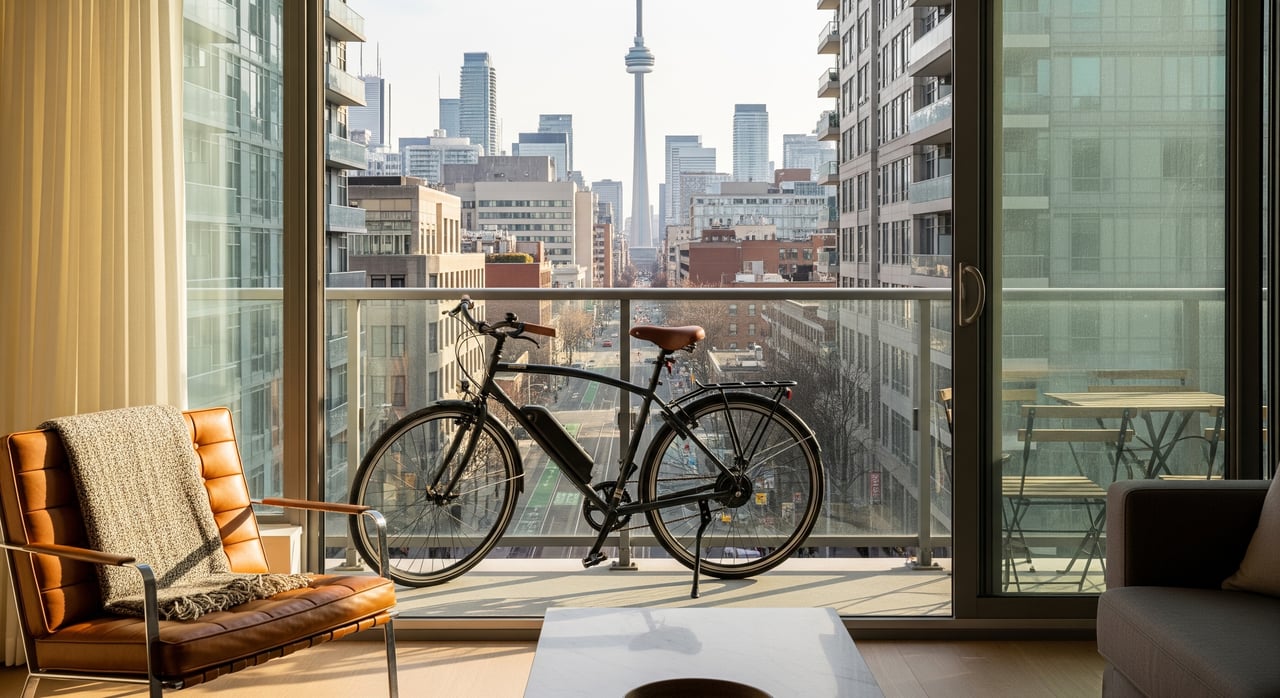
The city has expanded protected bike lanes across several downtown streets, making cycling a viable option for many. Winter maintenance of bike lanes can vary, which affects year-round riding. Bike Share Toronto stations are concentrated downtown and pair well with transit for last-mile trips. E-bikes are increasingly popular for longer commutes. If cycling matters to you, look for buildings with secure bike parking, repair stations, and elevators that make street access easy.
Ride-hail, taxis, and car-share
Ride-hail apps and taxis are widely available and helpful for late nights or awkward trips. Car-share providers like Zipcar and Communauto cover the core and are useful for errands like bulk shopping, furniture pickup, or day trips. Short-term rentals and delivery services reduce the need to own a car for occasional large-item needs.
Everyday life without a car
Groceries and errands
Most downtown corridors have multiple grocery options within walking distance, along with pharmacies and specialty shops. Many condos sit above or across from daily essentials. Grocery delivery and click-and-collect are common, and buildings increasingly offer parcel rooms and lockers. Check your building’s policy for oversized items and delivery procedures.
Nightlife and late nights
Dining, theaters, and venues cluster in walkable pockets around King West, Queen West, and the Entertainment District. For late nights, overnight bus coverage is limited compared to daytime service. Check schedules and consider ride-hail for faster, safer-feeling returns when service is sparse.
Airport and regional trips
The UP Express from Union Station is the go-to car-free route to Pearson. Many residents combine a short subway or streetcar ride to Union with UP Express for a predictable trip. For very early or late flights, ride-hail or taxi can be more reliable depending on schedules.
Bulky items and moves
When you need to move furniture or a large item, you have options. Book a car-share or moving van, hire a local mover, or coordinate store delivery. Most condos have rules for move-ins and large deliveries, including booking a service elevator within specific time windows. Plan ahead, as some buildings charge fees for move-ins or deliveries.
What to look for in a condo
Location and access
Prioritize a short walk to a subway station or a frequent streetcar line. Being close to Union Station is a plus if you use GO Transit or the UP Express.
Amenities that matter
Buildings that support car-free living tend to include:
- Parcel/receiving room for high delivery volumes.
- Secure bike storage and repair facilities.
- Concierge and on-site maintenance for smooth day-to-day operations.
- Elevators that easily fit bikes and large deliveries.
- Ground-floor retail like cafés, dry cleaners, and clinics.
Parking and policy
Parking is often optional and expensive to buy or rent in the core. Many new buildings include fewer parking stalls to encourage transit use. If you entertain regularly, confirm visitor parking availability or nearby public garage options. Skipping a parking space can lower your purchase price and monthly fees.
Delivery and storage
Downtown condos see heavy parcel volume, so a well-run package room is a big convenience. Ask about storage lockers for seasonal gear like skis or bikes, especially if you do not plan to own a car.
Winter realities
Snow and ice affect walking, cycling, and micromobility. Sidewalk clearing in the core is generally prioritized, though bike lane maintenance varies. Consider your winter comfort and backup plans, such as using transit or ride-hail when conditions are poor.
Cost tradeoffs
You can avoid car payments, insurance, fuel, maintenance, and parking costs by living car-free. New expenses may include more frequent ride-hail or car-share trips, occasional delivery fees, and condo fees that support amenities such as bike storage and package rooms. Many downtown professionals find the tradeoffs net positive, but your outcome depends on your habits and budget.
A day in the life
Morning: You walk a few minutes to a Line 1 or Line 2 station, or grab a frequent streetcar. If it is cold, you cut through the PATH to stay warm and grab a coffee.
Lunch: You run an errand underground via the PATH or walk to a pharmacy and back within your break.
Evening: You hit the gym, then pick up groceries at a full-service store near your building. A quick elevator ride and a package pickup from the parcel room make it easy.
Weekend: You book a car-share for two hours to pick up a small piece of furniture, then meet friends in King West on foot. For an upcoming trip, you plan a short subway ride to Union and UP Express to the airport.
Ready to make it work?
Living car-free in downtown Toronto is practical if you choose the right building and location. Focus on quick access to transit, daily essentials within a short walk, and condo features that simplify deliveries, storage, and bikes. With a hybrid approach that uses transit, walking, cycling, and occasional ride-hail or car-share, you can enjoy the city without the hassle and cost of owning a vehicle.
Thinking about buying a condo that fits a car-free lifestyle? Reach out to OwnIt.ca for neighbourhood guidance, tailored listings, and a plan that matches your daily routine.
FAQs
Do you need a car to live in downtown Toronto?
- For most daily needs inside the core, you do not. Regular suburban travel, frequent heavy hauling, or complex family logistics can make a car more useful.
How can you get to Pearson Airport without a car?
- Take the subway or streetcar to Union Station and connect to the UP Express. For very early or late flights, consider a taxi or ride-hail depending on schedules.
Is year-round cycling realistic in downtown Toronto?
- Many people ride year-round, but winter conditions and bike lane maintenance make it harder. A hybrid plan is common: bike in warm months, use transit or ride-hail in winter.
How do downtown condos handle grocery and parcel deliveries?
- Many buildings have parcel rooms or lockers. Residents often use grocery delivery apps. Confirm your building’s policy for oversized items and delivery hours.
What should you know about visitor parking in condos?
- Visitor parking is limited in many buildings. Guests may need to use public garages. If you host drivers frequently, verify visitor options before you buy.