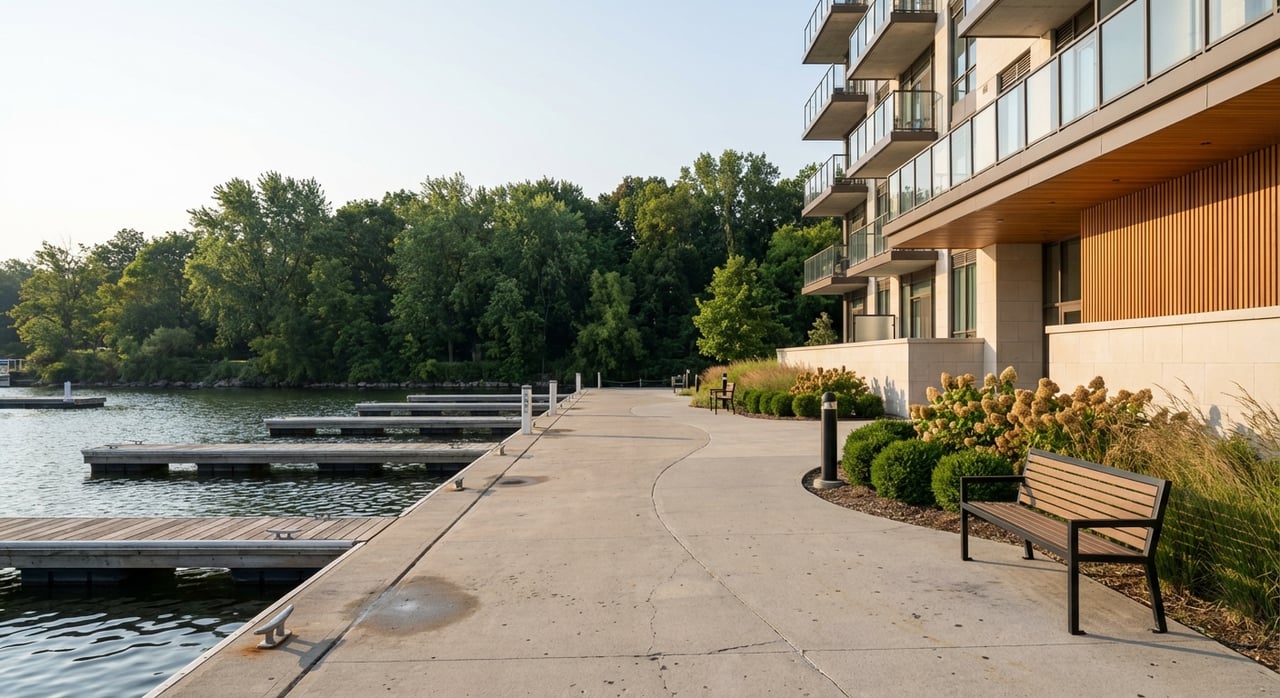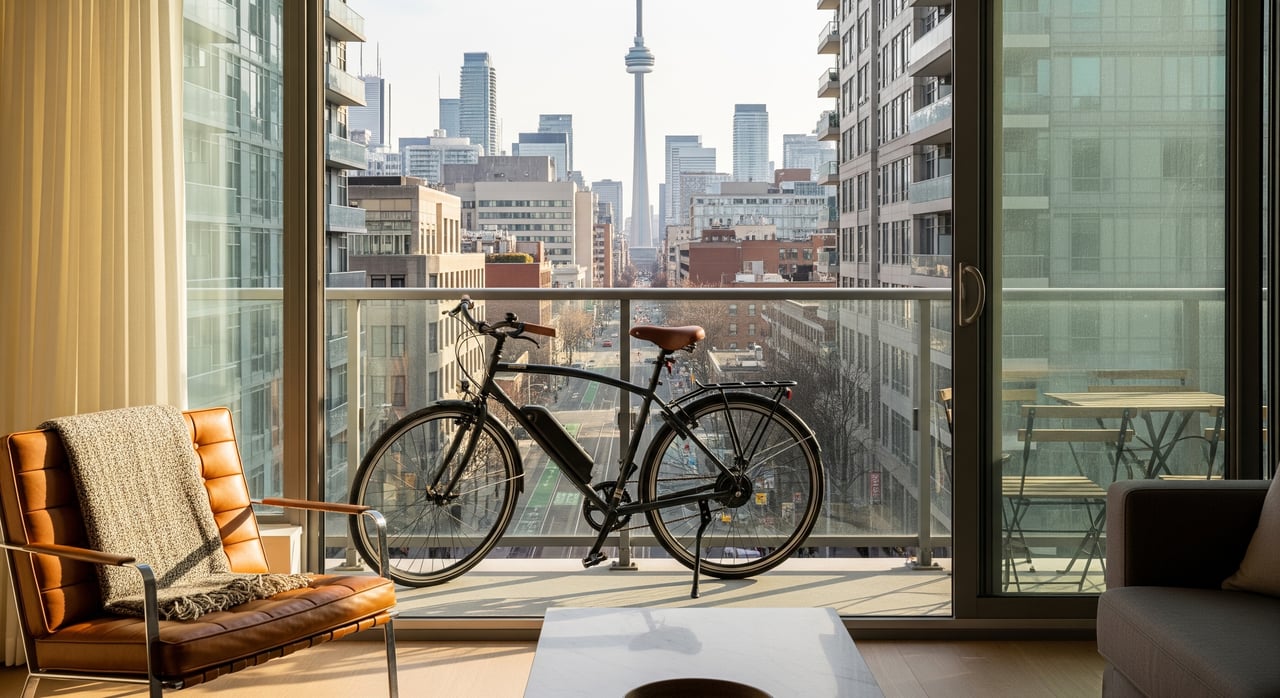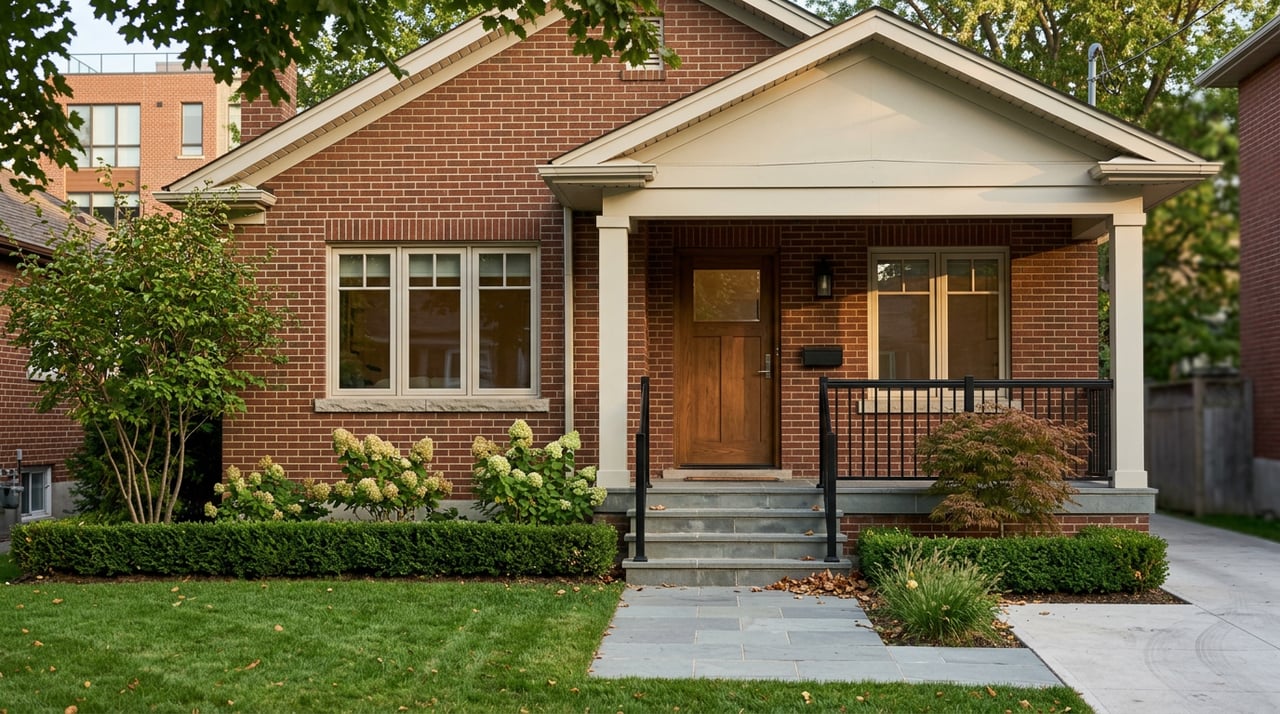
Picture yourself stepping out for coffee on Lakeshore, catching a 25–30 minute train to Union, then winding down with a sunset walk by the marina. That is the Port Credit lifestyle many buyers want, and it raises a big question: should you choose a low‑maintenance condo or a freehold house? You want space and control, but you also value convenience and walkability. In this guide, you will compare lifestyle tradeoffs, ongoing costs, commute realities, building and bylaw rules, and practical checklists so you can decide with confidence. Let’s dive in.
Port Credit at a glance
Port Credit is Mississauga’s “village on the lake,” known for its walkable main street, waterfront parks, and marina events. The city highlights the Credit Village Marina and lakeside attractions as core draws for residents and visitors.
New mid‑rise and high‑rise projects are reshaping parts of the waterfront, including planned public spaces tied to the Brightwater redevelopment. You can explore the evolving park network on the city’s Brightwater parks page.
For commuters, Port Credit GO is a key Lakeshore West hub with direct trains to downtown Toronto. See active station work and access details on GO’s station improvement page. The Hurontario (Hazel McCallion) LRT will link into Port Credit GO; Metrolinx project updates show ongoing integration work. If walk‑to‑LRT is a must for you, confirm current service status before you buy.
Condo living: who it suits
If you want low‑touch living and to be close to shops, cafes, and transit, a condo can be a strong fit.
- Building teams handle exterior repairs, snow clearing, and landscaping. CMHC’s condo guide explains how ownership shifts many common tasks to the corporation.
- Many buildings offer gyms, party rooms, and security. Some condos near Lakeshore place you steps from the marina, trails, and festivals.
- If you travel often or prefer to lock and leave, the convenience can outweigh the smaller private space.
What to check before you choose a condo:
- Status certificate and reserve fund health. Low reserves or recent special assessments can raise future costs.
- What the monthly fee includes. Some fees cover heat or water; others do not.
- Sound insulation, elevator reliability, and parking/locker availability.
- Building rules around renovations, pets, and short‑term rentals.
House living: who it suits
If you want a private yard, garage, and more control over your space, a detached or semi‑detached home may be the better match.
- You control upgrades, layouts, and exterior choices, within local bylaws and permits.
- A yard supports gardening, pets, and outdoor dining. Port Credit’s waterfront trails and parks add to the appeal of house living nearby.
- Storage is often easier, and you avoid shared walls in a detached.
What to check before you choose a house:
- Age and condition of major systems like roof, windows, HVAC.
- Lot considerations on older streets, where setbacks and lot sizes vary.
- Potential for additions or secondary suites, subject to municipal rules.
The cost picture: fees, taxes, and maintenance
You should compare the full monthly carry for a condo and a house in the same micro‑area. Look past list prices and include routine fees and reserves.
Condo costs to expect:
- Monthly maintenance fees cover common elements, building insurance for shared areas, and the reserve fund. A practical Ontario range often cited is about $0.50 to $0.90 per square foot per month, with higher fees in amenity‑rich or waterfront buildings. See this overview from FirstService Residential.
- Review the building’s budget, most recent reserve fund study, and any history of special assessments. CMHC’s condo basics outline what fees usually include and what owners still cover.
House costs to expect:
- Maintenance and repairs are on you. Many consumer guides suggest reserving about 1 to 3 percent of a home’s value per year, adjusted for age and condition. See a baseline overview in Zolo’s guide to housing costs.
- You will manage items like roof replacement, driveway work, exterior painting, landscaping, and pest or drainage issues.
Taxes and insurance:
- Property taxes are based on assessed value and set by the municipality and education portions. Combined effective residential rates in the GTA commonly sit near roughly 0.8 to 1.1 percent of assessed value, depending on year and municipality.
- Condo owners carry a unit policy for contents, improvements, and liability, while the corporation insures common elements. House owners carry full home policies and may see higher premiums where flood or shoreline risks are present.
Use this quick carrying‑cost checklist before you decide:
- Mortgage principal and interest.
- Monthly condo fee and what it includes, plus reserve fund health and any special assessments.
- Property taxes based on assessed value.
- Insurance premiums for the specific property and location.
- Utilities and day‑to‑day operations.
- Maintenance reserve for a house, or likely near‑term capital items for a condo building not fully covered by routine fees.
Commute, location, and noise
Port Credit offers one of Mississauga’s fastest rail links into downtown Toronto. Typical travel times marketed from Port Credit GO to Union Station are about 25–30 minutes, depending on the schedule. You can verify current service and station updates on GO Transit’s project page.
Proximity to the GO station, Lakeshore, and the waterfront often increases buyer demand and resale liquidity. Expect some streets to feel busier on festival days or summer weekends. Ongoing redevelopment, plus LRT and station construction, can add daytime noise or change access patterns. Review Metrolinx updates and the city’s project pages during your due diligence.
Rules and risks to understand
Condo governance and documents:
- Ontario requires a status certificate that discloses key building information. It is central to spotting low reserves, major projects, or litigation. Learn what the certificate covers on the Ontario government page. Have a real‑estate lawyer review it before waiving conditions.
Short‑term rentals:
- The City of Mississauga restricts short‑term accommodations to your principal residence and requires licensing, inspections, and a municipal accommodation tax. Review the rules on the city’s Short‑Term Accommodation licence page. Condo bylaws may be stricter, so confirm building rules before you buy.
Flooding and shoreline considerations:
- Port Credit properties near the river or lake can fall under added regulations or permitting, which may affect renovations, ground‑level walkouts, and insurance. The city’s Port Credit Storm Drainage Master Plan addresses drainage and climate impacts. If your target lot is near the Credit River or shoreline, include flood mapping and conservation authority checks in your diligence.
Quick decision framework
Use this 10‑minute test to narrow your path.
- Lifestyle first
- If you want a private yard, garage, storage, and full control over exterior updates, you likely lean house.
- If you want low maintenance, on‑site amenities, and easy walkability to shops and transit, you likely lean condo.
- Budget test
- Compare monthly carrying costs for a condo and a house in the same pocket: mortgage, property tax, insurance, utilities, and a maintenance reserve. For condos, add the monthly fee and review reserves. For houses, use the 1–3 percent annual maintenance guideline. A small monthly difference might be worth it if it delivers the lifestyle you value.
- Diligence red flags
- Condos: thin reserve funds, large planned capital projects, pending litigation, or frequent special assessments. Ask for a status certificate and have your lawyer review it using the Ontario guidance.
- Houses: evidence of past water issues, outdated electrical or plumbing, or location within flood‑influenced areas. Cross‑check against the Storm Drainage Master Plan.
- Either: restrictions that conflict with your plans, such as short‑term rental rules or renovation limits. See the city’s short‑term rental rules for investor plans.
Example buyer paths in Port Credit
Move‑up household wanting space and long‑term flexibility:
- A detached or semi‑detached home offers a yard, storage, and control over upgrades. If a future secondary suite is part of your plan, confirm local permissions and permitting. Map school catchments and safe walking routes neutrally, then weigh commute and park access.
Dual‑commuter relocator prioritizing transit and low maintenance:
- A condo or stacked townhouse within a comfortable walk to Port Credit GO reduces car dependence. Check sound insulation, fee trends, and reserve strength. Confirm LRT operations and station access if that link matters daily.
Empty‑nester seeking waterfront convenience and security:
- A mid‑rise condo near Lakeshore can deliver right‑sized living, elevator access, and amenity convenience. Review pet and renovation rules, plus the reserve fund, especially in older buildings.
How OwnIt.ca helps you choose
This decision is less about condo versus house and more about the lifestyle and budget that fit you best. You deserve a clear plan, local market insight, and a responsive team that handles the details. OwnIt pairs a boutique, high‑touch approach with the scale and compliance of a major Ontario brokerage. We guide you through comparable options, review condo documents with your lawyer, flag flood or bylaw constraints early, and coordinate with your mortgage and insurance pros so you see the full monthly picture.
Ready to compare specific homes and buildings in Port Credit and build your short list? Reach out to OwnIt.ca for a focused consultation and next steps.
FAQs
What are typical condo fees in Port Credit?
- Ontario buildings often range around $0.50 to $0.90 per square foot per month, with higher fees in amenity‑rich or waterfront buildings; always confirm what the fee includes and review reserves using guidance like FirstService Residential’s overview.
How long is the train from Port Credit to Toronto’s Union Station?
- Typical published estimates are about 25–30 minutes, depending on the schedule; verify current times and any station access changes on GO’s Port Credit updates.
Are short‑term rentals allowed in Port Credit condos?
- Mississauga restricts short‑term rentals to your principal residence and requires licensing; condo bylaws may further limit or prohibit STRs, so check the city’s licence page and your building rules.
What should I look for in a condo status certificate?
- Confirm reserve fund strength, planned capital projects, fee trends, insurance, and any pending litigation; the Ontario status certificate guide explains the contents that your lawyer should review.
How should I budget for house maintenance versus a condo?
- For a house, many consumers use a 1–3 percent of value per year guideline, adjusted for age and condition; for condos, focus on the monthly fee plus the building’s reserve plan and any upcoming capital work, as outlined by CMHC’s condo basics.
Is flood or shoreline exposure a concern near the Credit River or Lake Ontario?
- It can be; the city’s Port Credit Storm Drainage Master Plan addresses drainage and climate impacts, so include conservation authority checks and insurance quotes in your due diligence.